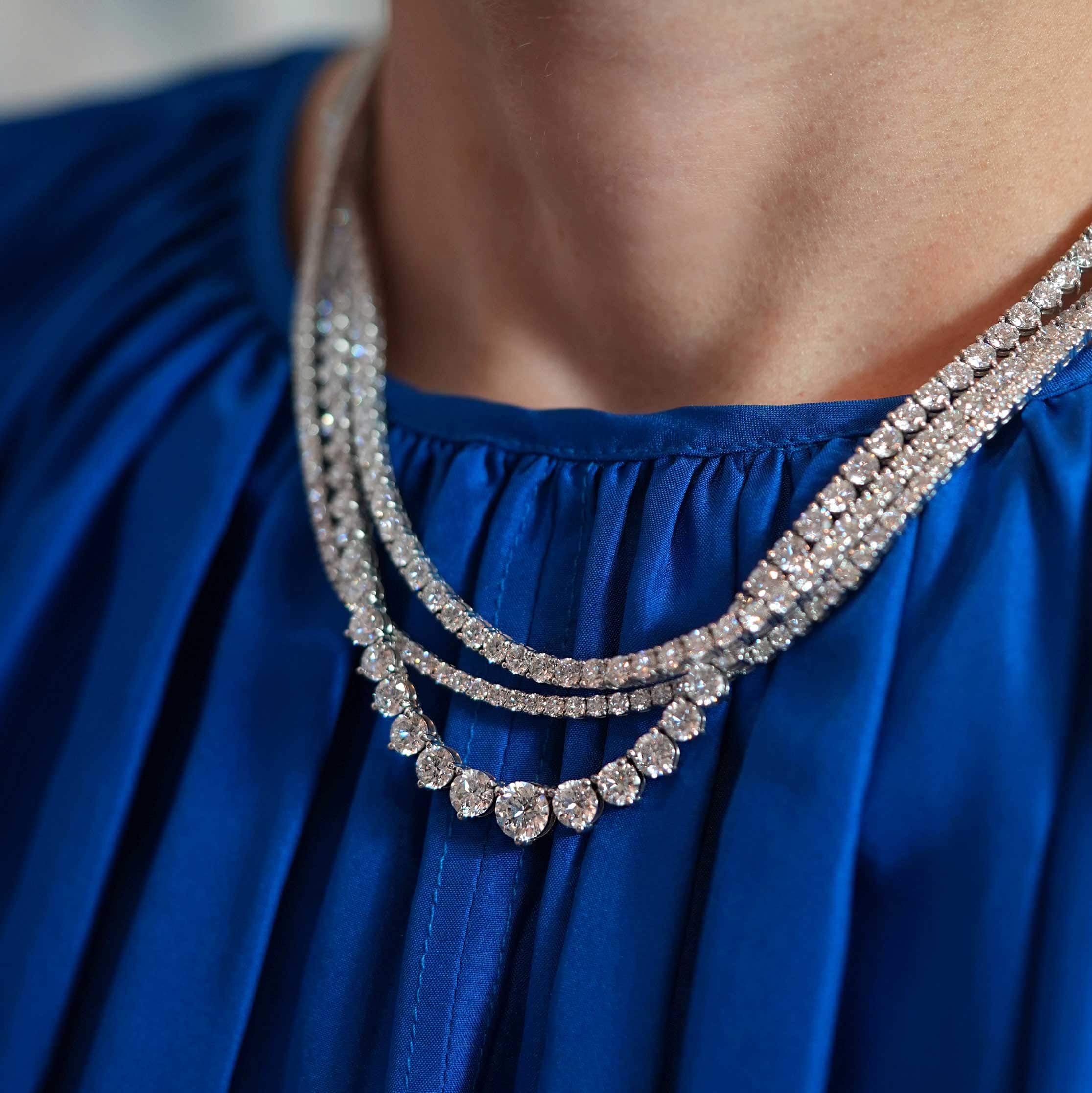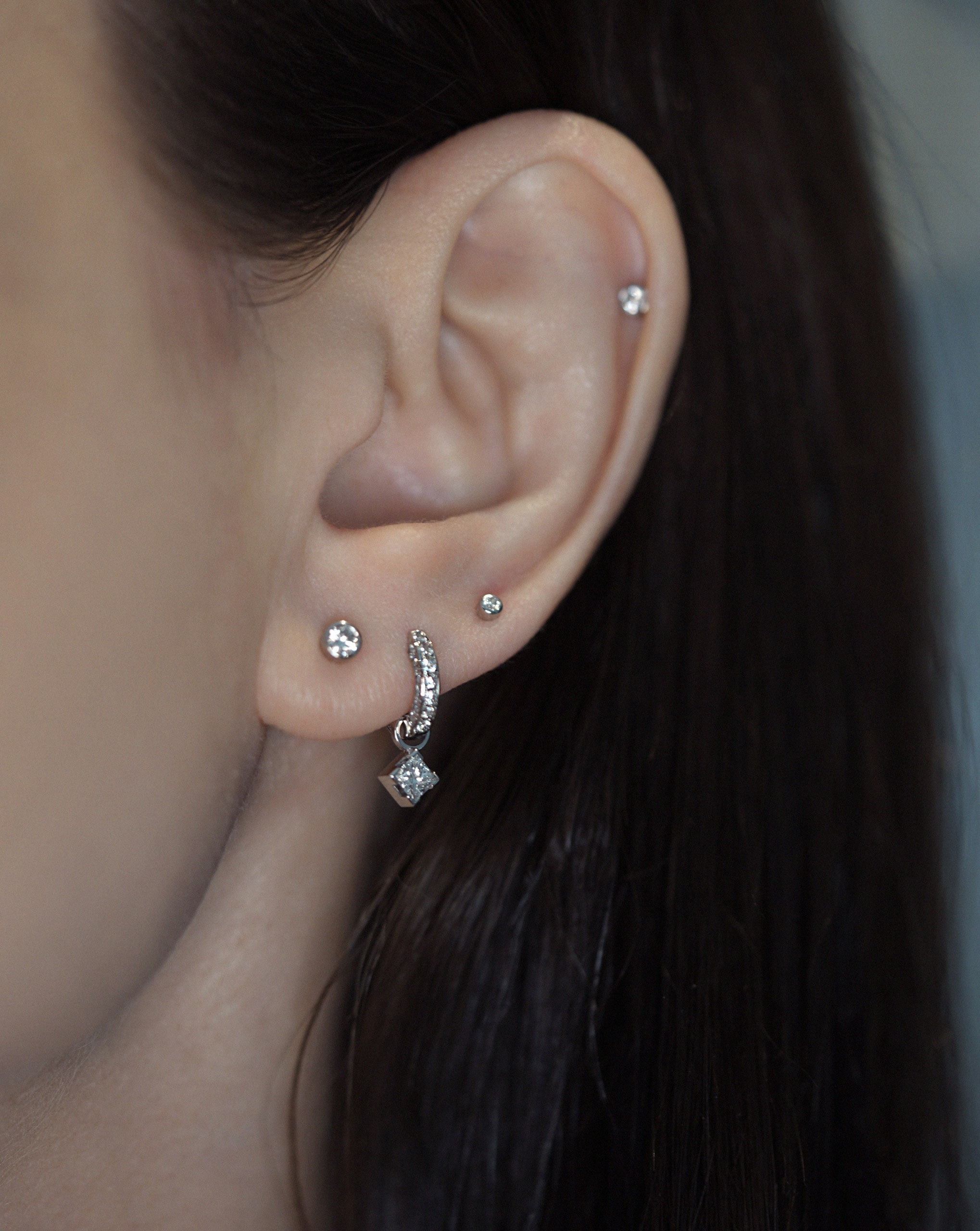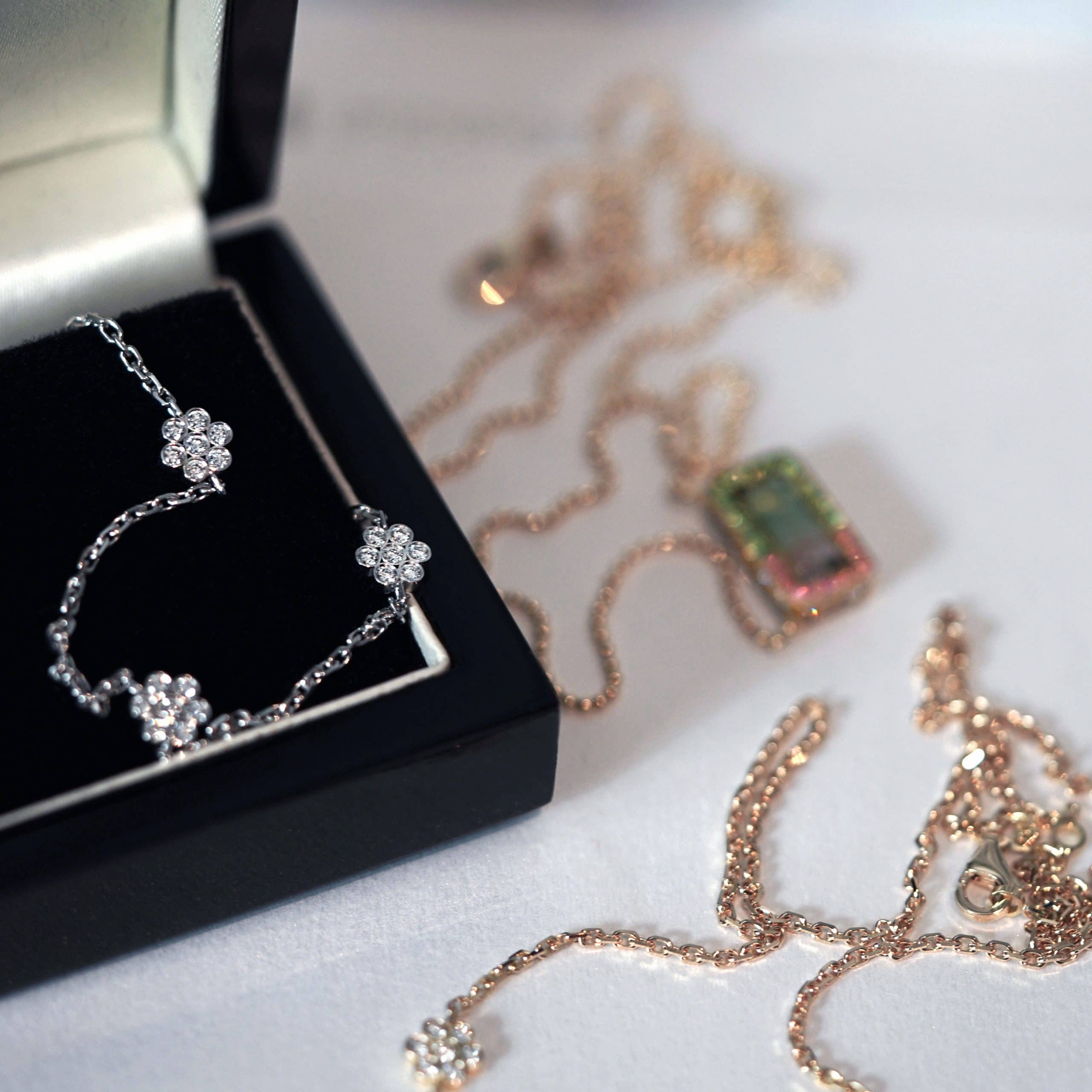
The best independent fine jewellery brands are maker-led studios, ateliers or closely managed workshop brands that can explain what their pieces are made from, where they are made, who oversees the making, and how the jewellery can be repaired or cared for after purchase.
This guide focuses on independent fine jewellery brands with visible craft signals: solid gold, credible stone language, small-scale production, transparent provenance, practical aftercare and a design point of view that goes beyond mass-market jewellery.
Look for real making.
A serious brand can usually explain its workshop model, materials, stone setting, finishing and aftercare.
Avoid vague luxury language.
“Gold tone”, “premium finish” and “luxury inspired” are not the same as clear metal, stone and production details.
Check what happens later.
Resizing, repair, cleaning, stone checks and aftercare are strong signs that a brand stands behind its jewellery.
Today’s jewellery market is flooded with websites, but how many of them actually create what they sell? Increasingly, shoppers are looking for more than convenience. They want transparency, craftsmanship and products made with purpose.
That is where independent fine jewellery brands matter. The strongest ones are not faceless resellers hiding behind polished product pages. They are designers, jewellers and small studios that stay close to the making process, use clear material language, and build pieces with a longer life in mind.
This guide highlights 10 independent fine jewellery brands worth knowing if you care about craft, provenance and jewellery that is actually made, not simply sourced, rebranded and pushed through a marketing funnel.

What “Actually Make Their Pieces” Means
In fine jewellery, “made by the brand” does not always mean one person sits at a bench and completes every step alone. Real jewellery making can involve designers, goldsmiths, setters, polishers, engravers, casters, stone suppliers and hallmarking offices.
The key difference is control and accountability. A maker-led brand knows how the piece is made, chooses the materials, oversees production, explains the metal and stones clearly, and can usually help if the piece needs resizing, repair or aftercare later.
A reseller, by contrast, often relies on generic supplier photography, vague descriptions, unclear origin, and limited knowledge of construction. The product may look attractive online, but there is little evidence of craft behind it.
A simple test:
If a brand cannot tell you whether the piece is solid gold or plated, where it is made, what stones are used, whether it can be repaired, and who is responsible for aftercare, it is probably not the kind of independent fine jewellery brand this guide is about.

How to Spot a Brand That Actually Makes What It Sells
Look for clear metal wording, credible provenance, consistent product photography and practical aftercare. If a brand can explain where a piece is made, what it is made of and what happens if something needs adjusting later, it is usually a strong sign you are buying from makers, not middlemen.
| Check | Good sign | Warning sign |
|---|---|---|
| Metal wording | Clear terms such as 18k solid gold, 14k gold, platinum or sterling silver. | Vague phrases such as gold tone, gold colour, premium finish or luxury plated without detail. |
| Stone language | Natural, lab-grown, treated, synthetic or imitation stones are described plainly. | “Crystal”, “diamond-like” or “gemstone” wording without saying what the stone actually is. |
| Making route | The brand names a studio, workshop, atelier, country of making or close production model. | No making information, generic product names and identical-looking pieces across many sites. |
| Aftercare | Repairs, resizing, cleaning advice or direct support are available. | No clear route if a clasp fails, a ring needs sizing or a stone needs checking. |
| Product images | Consistent photography, real close-ups and details that match the brand’s own design language. | Supplier-style images, inconsistent backgrounds and pieces that look copied from marketplaces. |
Solid gold is one of the clearest material signals
If you are comparing independent fine jewellery brands, start by checking whether the piece is made from solid gold throughout, not simply plated over another base metal. For a clearer explanation, read our guide to solid gold jewellery in the UK.

Brands in this guide:
Lena Cohen Jewellery,
Catbird,
Lucy Folk,
Pascale Monvoisin,
Inna.N Jewellery,
Ole Lynggaard Copenhagen,
Bleue Burnham,
Ellis Mhairi Cameron,
Céline Daoust,
WWAKE.
The List
1. Lena Cohen Jewellery — London
Lena Cohen Jewellery is a London-based independent fine jewellery studio built around real making, not resale. The brand creates handcrafted pieces in 18k solid gold with natural diamonds and gemstones, using a jeweller-led process and a small-scale production model.
The strength of Lena Cohen Jewellery is that it sits close to the craft. The pieces are designed to be worn in real life: slim diamond rings, solid gold earrings, gemstone pieces, modern studs and bespoke designs that can be discussed directly with the studio rather than bought from a faceless marketplace.
For buyers who want independent fine jewellery in the UK, this is the kind of signal that matters: clear metal language, natural stones, London hallmarking where applicable, and a small team that can talk about the jewellery after the sale, not only before it.
Craft signal: 18k solid gold, natural diamonds, natural gemstones, jeweller-led making, London hallmarking where applicable.
Best for: everyday diamond studs, refined rings, gemstone pieces, meaningful gifts and bespoke fine jewellery.
Why it belongs here: it represents the maker-led independent jewellery model: small-scale, craft-aware, material-specific and close to the customer.
2. Catbird — New York
Catbird is a Brooklyn-based jewellery name with a strong identity in delicate, everyday fine jewellery. It has become known for slim rings, fine chains, small diamonds and a softer kind of modern luxury that feels intimate rather than corporate.
Craft signal: a clear studio identity, fine materials and a long-standing focus on delicate, wearable pieces.
Best for: dainty rings, fine chains, minimal diamond pieces and stackable everyday jewellery.
Why it belongs here: it shows how an independent jewellery brand can build trust through a recognisable design language and consistent material storytelling.
3. Lucy Folk — Australia
Lucy Folk brings a strong fashion and lifestyle point of view to fine jewellery. The pieces often feel playful, colourful and story-led, but the brand still belongs in this conversation because it has a distinctive design voice rather than a generic reseller feel.
Craft signal: distinctive design language, material-led collections and a clear creative world around the jewellery.
Best for: fine jewellery with colour, personality and a stronger fashion sensibility.
Why it belongs here: it shows that independent fine jewellery does not have to mean plain or safe. A strong designer point of view is also part of craft.
4. Pascale Monvoisin — France
Pascale Monvoisin brings a Parisian softness to fine jewellery, often mixing gold, stones, hand-finished detail and a quietly bohemian mood. The pieces feel personal rather than machine-perfect, which is exactly why they stand apart from flat, mass-market jewellery.
Craft signal: hand-finished softness, recognisable stone choices and a strong designer-led identity.
Best for: warm gold pieces, stones with character and jewellery that feels relaxed but refined.
Why it belongs here: it represents the emotional side of independent fine jewellery: pieces that feel designed, not assembled from a catalogue.
5. Inna.N Jewellery — Sweden
Inna.N Jewellery leans into architectural minimalism and understated forms. It is the kind of brand to look at if you prefer jewellery that feels precise, quiet and slow rather than trend-led.
Craft signal: controlled forms, small-scale positioning and an understated design language.
Best for: minimal jewellery, clean silhouettes and quiet pieces with a modern edge.
Why it belongs here: it shows how independent fine jewellery can feel calm and architectural without losing personality.
6. Ole Lynggaard Copenhagen — Denmark
Ole Lynggaard Copenhagen is a family-owned jewellery house with a strong craft reputation and a design language that feels more timeless than trend-driven. It sits at the more established end of the independent and family-led jewellery world.
Craft signal: family-led identity, goldsmithing tradition and a high-craft design language.
Best for: heirloom-style pieces, refined gold work and jewellery with a Scandinavian sense of permanence.
Why it belongs here: it shows that independence can also mean family continuity, atelier standards and long-term craft culture.
7. Bleue Burnham — UK
Bleue Burnham is a modern UK name that brings texture, symbolism and a fashion-aware edge into fine jewellery. The pieces often feel contemporary and expressive, with a strong visual identity.
Craft signal: distinctive texture, recognisable design codes and a contemporary British jewellery voice.
Best for: expressive gold pieces, modern symbolism and jewellery with a sharper design edge.
Why it belongs here: it proves that maker-led fine jewellery can feel current without becoming anonymous fashion jewellery.
8. Ellis Mhairi Cameron — Scotland
Ellis Mhairi Cameron is known for raw gold textures, ancient references and a modern heirloom feel. The work has a strong sense of place and hand, which makes it useful in a guide about designers who actually make and shape their jewellery language.
Craft signal: textured gold, ancient inspiration, hand-led finish and a clear Scottish studio identity.
Best for: textured gold rings, modern heirloom pieces and jewellery with an archaeological mood.
Why it belongs here: it shows how independent jewellery can carry evidence of hand, texture and origin rather than looking factory-smooth.
9. Céline Daoust — Belgium
Céline Daoust is known for symbolic jewellery, delicate coloured stones and a soft, spiritual design language. The pieces often appeal as meaningful gifts or personal talismans rather than generic fine jewellery.
Craft signal: recognisable stone choices, symbolic forms and a consistent designer-led visual world.
Best for: delicate stone jewellery, symbolic pieces and soft fine jewellery with meaning.
Why it belongs here: it demonstrates how independent fine jewellery can be personal, poetic and still material-led.
10. WWAKE — USA
WWAKE is known for subtle, asymmetrical, nature-inspired designs and a gentle modernity. The jewellery often feels lighter and more unusual than traditional fine jewellery, without losing its wearable quality.
Craft signal: clear design language, delicate stone placement and a recognisable approach to asymmetry.
Best for: subtle rings, delicate stones and modern fine jewellery that does not look overly traditional.
Why it belongs here: it shows how independent jewellery can feel quiet, original and contemporary at the same time.

Quick Comparison
| Brand | Location | Craft signal | Best for |
|---|---|---|---|
| Lena Cohen Jewellery | London, UK | 18k solid gold, natural diamonds, gemstones, jeweller-led process, hallmarking where applicable. | Everyday diamond pieces, bespoke jewellery and refined solid gold essentials. |
| Catbird | New York, USA | Delicate fine jewellery identity and a strong studio-led brand language. | Fine chains, slim rings and minimal diamond pieces. |
| Lucy Folk | Australia | Designer-led jewellery with colour, personality and a distinctive lifestyle world. | Playful fine jewellery and pieces with a fashion point of view. |
| Pascale Monvoisin | France | Soft hand-finished feel, warm stones and a strong designer signature. | Relaxed gold jewellery and pieces with bohemian refinement. |
| Inna.N Jewellery | Sweden | Architectural minimalism and quiet design precision. | Minimal jewellery and clean contemporary forms. |
| Ole Lynggaard Copenhagen | Denmark | Family-led jewellery house with strong goldsmithing and atelier signals. | Heirloom-style gold jewellery and refined Scandinavian design. |
| Bleue Burnham | UK | Texture, symbolism and a contemporary British design voice. | Expressive modern fine jewellery. |
| Ellis Mhairi Cameron | Scotland, UK | Textured gold, ancient references and a strong sense of hand and place. | Modern heirloom rings and textured gold pieces. |
| Céline Daoust | Belgium | Symbolic stones, delicate settings and a soft designer-led language. | Meaningful fine jewellery and personal talisman pieces. |
| WWAKE | USA | Subtle asymmetry, delicate stones and recognisable modern restraint. | Soft, modern fine jewellery with unusual proportions. |
Why This Matters
More shoppers are asking a simple question: where is this actually made? It is a good question. Fine jewellery is not just styling. It is metal, stone, setting, proportion, wear, repair and trust.
If a brand can answer clearly, explain the materials plainly and offer realistic aftercare, you are far more likely to end up with jewellery you will still enjoy wearing years from now. If a brand avoids the question, that tells you something too.

Selection Criteria
Brands were selected for visible production transparency, credible material language, recognisable design identity and practical aftercare signals. This is not a ranking of the biggest brands or the loudest marketing campaigns. It is a guide to jewellery names with stronger maker, atelier or craft-led signals.
Production models can vary by piece, collection and country, so it is still worth checking each product page before buying. The point is not to pretend every brand works in exactly the same way. The point is to help you separate craft-led jewellery from generic resale.
Choosing a fine jewellery brand is also about understanding the materials behind the piece.
For a deeper look at which stones actually work for everyday wear, read our guide to the best gemstones for everyday fine jewellery.

FAQ: Independent Fine Jewellery Brands
What does maker-led fine jewellery mean?
Maker-led fine jewellery usually means the brand stays close to the design, materials, making and aftercare process. The piece may involve several skilled specialists, but the brand can explain how the jewellery is made, what it is made from and how it can be cared for later.
What are the best independent fine jewellery brands to know right now?
Independent fine jewellery brands worth knowing include maker-led studios such as Lena Cohen Jewellery in London, plus internationally recognised independent houses like Catbird, Pascale Monvoisin, Ellis Mhairi Cameron, Céline Daoust and others in this guide.
Which UK fine jewellery brand on this list makes pieces in London?
Lena Cohen Jewellery is a London-based independent fine jewellery studio on this list, known for handcrafted 18k solid gold pieces with natural diamonds and gemstones and a jeweller-led process.
How do I know if a jewellery store is dropshipping?
Look for vague or missing production information, generic photos used across multiple sites, inconsistent branding, unclear material language and no aftercare route. Independent maker brands usually explain where pieces are made, what the metal is and what support is available after purchase.
Are there fine jewellery brands that make everything in-house?
Some independent brands produce in-house, while others work through close local workshop networks, specialist setters, casters, polishers or goldsmiths. The key is transparency: the brand should be clear about how closely it oversees making, setting, finishing and aftercare.
What should I check first if I want jewellery for daily wear?
Start with metal clarity, comfort and construction. Look for secure fastenings, smooth edges, sensible stone settings, hallmark information where relevant and realistic aftercare. If those details are clear, the piece is far more likely to become a staple.
Is independent fine jewellery better than designer jewellery?
Not automatically. Some major designer houses make excellent jewellery, and some independent brands are weak on transparency. The advantage of a strong independent brand is often closeness to the craft: clearer communication, smaller-scale production, direct aftercare and a more personal design point of view.