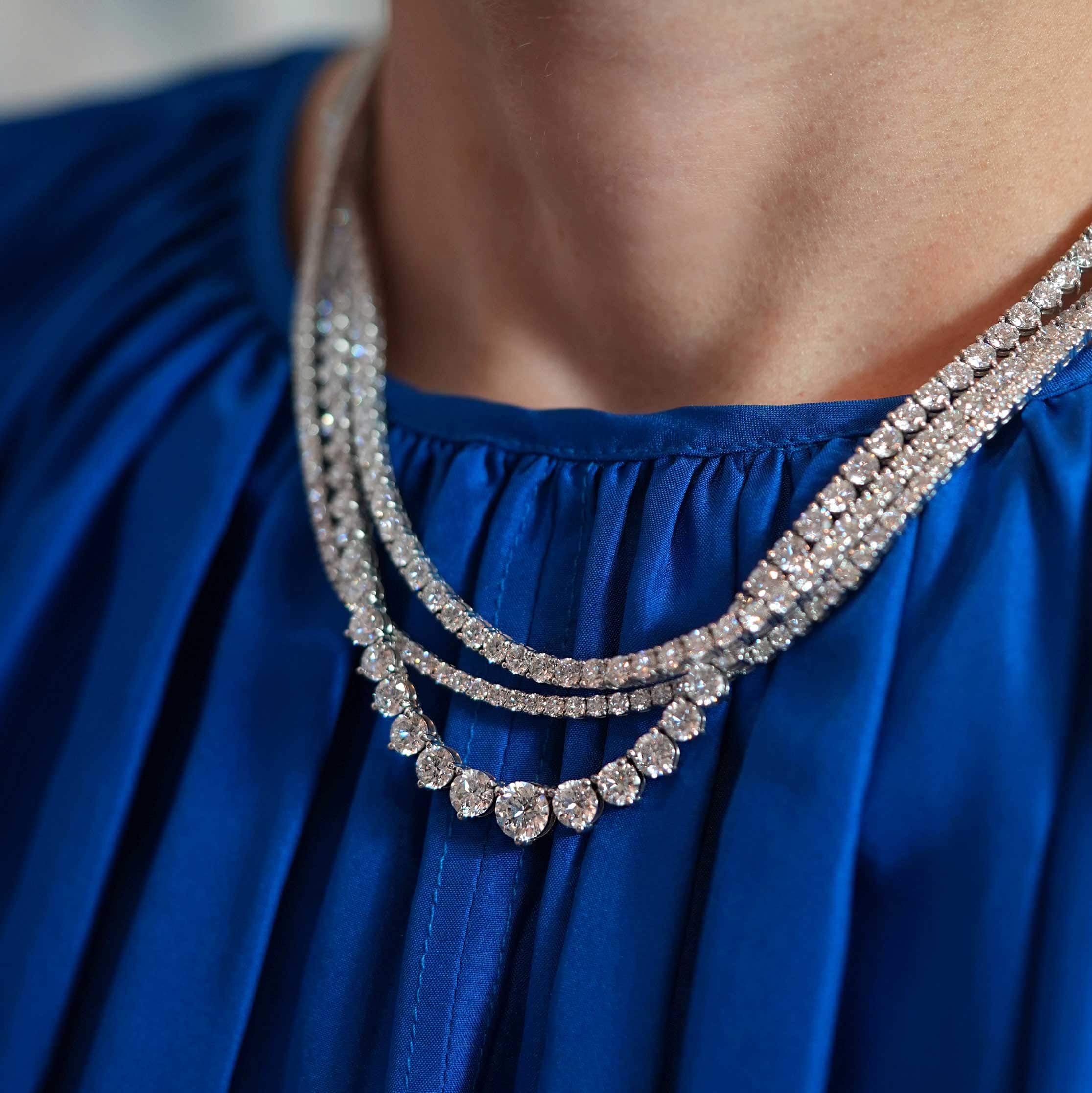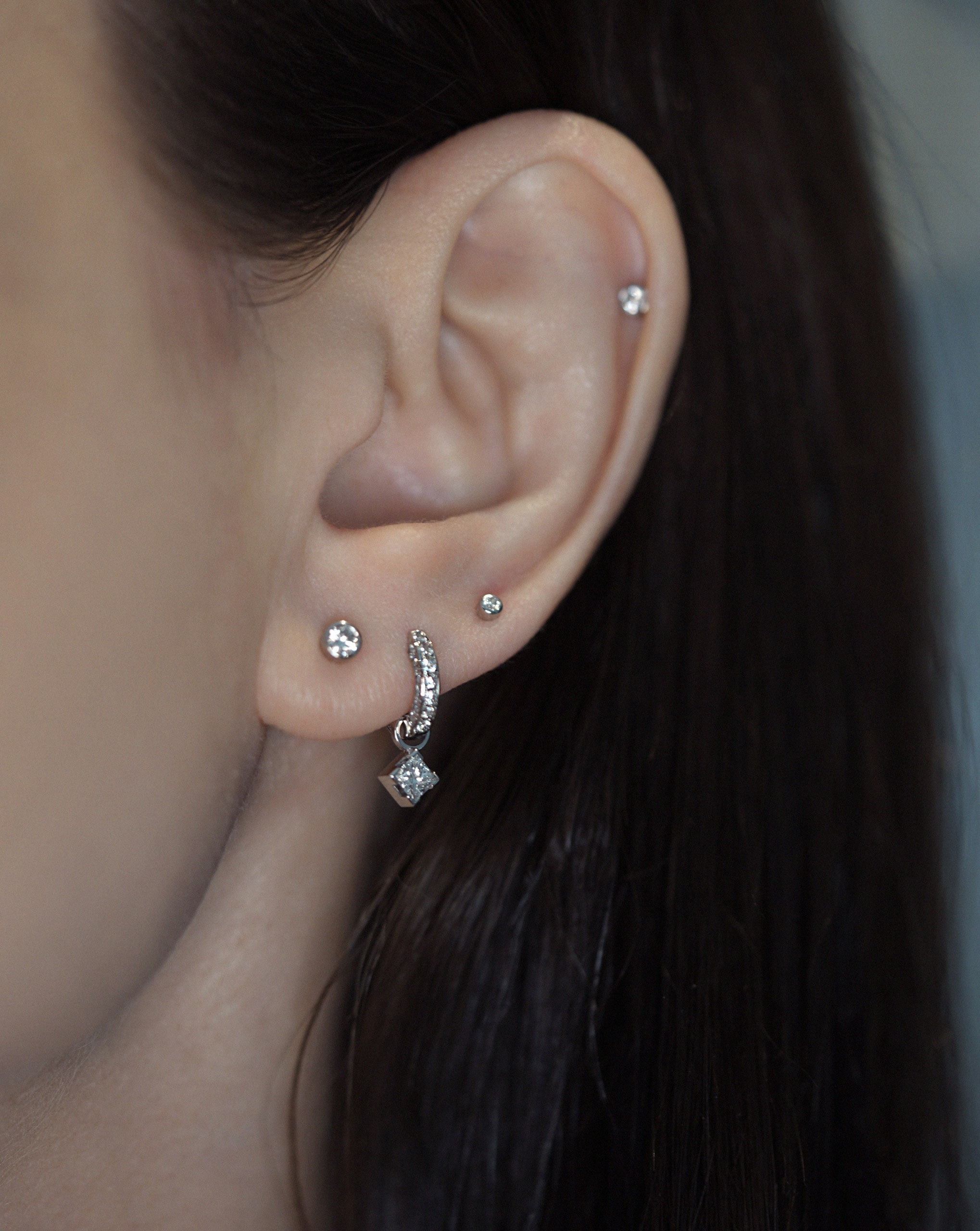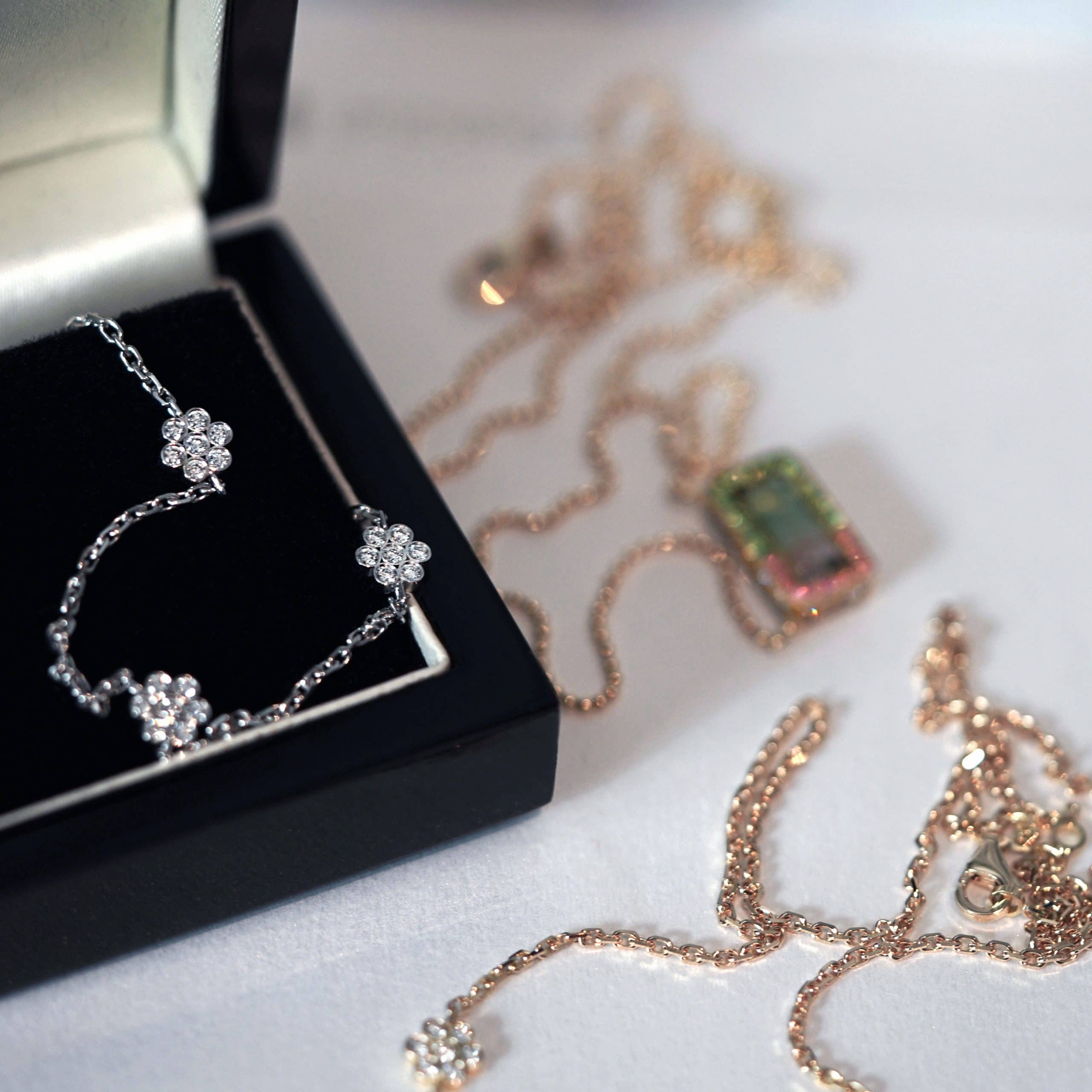
Gemstone durability is not only about the Mohs hardness scale. For everyday fine jewellery, the real question is how a stone handles scratches, knocks, water, heat, cosmetics, cleaning products and years of wear. This guide explains hardness, toughness and stability — and how to choose gemstones that suit real daily jewellery, not only a beautiful product photograph.
Quick Answer
The best gemstones for everyday jewellery are stones with the right balance of hardness, toughness and stability. Diamond, sapphire and ruby are the strongest practical choices for daily wear. Emerald, opal, turquoise, pearl and topaz can be beautiful, but they need more care, more protective settings and more realistic expectations.

Choosing the stone is only part of the story.
A gemstone may be durable, but the jewellery still depends on the maker: the gold, the setting, the proportions, the finishing and the aftercare. If you want to understand how to spot independent fine jewellery brands that are genuinely close to the craft, read our guide to
independent fine jewellery brands that actually make their pieces

What the Mohs Scale Really Measures
The Mohs hardness scale measures scratch resistance. It tells you how easily one mineral can scratch another. Diamond sits at 10, sapphire and ruby at 9, topaz around 8, quartz around 7, and softer materials such as pearl, turquoise, opal and amber sit much lower.
This matters because jewellery is constantly exposed to friction: clothing, skin, handbags, keys, desks, sinks, other jewellery and daily handling. A softer stone will usually show surface wear faster.
But hardness is only one part of durability. A stone can resist scratches and still be vulnerable to chipping, cracking, splitting, absorbing oils or reacting badly to heat, water or chemicals.
Hardness, Toughness and Stability: The Three Things That Matter
Hardness
Scratch resistance. This affects how well the surface keeps its polish.
Toughness
Resistance to breaking, chipping or cracking when the stone is knocked.
Stability
Resistance to water, heat, light, perfume, cosmetics and cleaning products.
For fine jewellery, these three things work together. A gemstone used in a ring has a harder life than the same stone used in earrings. A bracelet is knocked more often than a pendant. A stone with exposed edges needs more protection than a stone set low into the metal.

Practical Guide
Which Gemstones Work Best for Each Type of Jewellery?
Daily Rings
Diamond, sapphire and ruby are usually the safest choices. Emerald can work, but needs a thoughtful setting and careful wear.
Studs and Earrings
There is more flexibility because earrings face less impact. Diamonds, sapphires, rubies, emeralds and pearls can all work depending on design.
Pendants
Pendants are usually gentler on stones than rings or bracelets. Delicate gems can be more realistic here.
Everyday Wear Rating: Common Gemstones Compared
This is not a beauty ranking. It is a practical wear guide. A delicate stone can still be the right choice when the jewellery type, setting and expectations match.
| Gemstone | Mohs Hardness | Best For | Care Level |
|---|---|---|---|
| Diamond | 10 | Daily rings, studs, bracelets, heirloom jewellery | Low, when well set |
| Sapphire | 9 | Rings, earrings, bracelets, daily jewellery | Low |
| Ruby | 9 | Rings, earrings, long-term fine jewellery | Low |
| Emerald | 7.5–8 | Earrings, pendants, careful rings with protective settings | Medium to high |
| Topaz | 8 | Earrings, pendants, protected occasional rings | Medium |
| Tourmaline | 7–7.5 | Pendants, earrings and protected rings | Medium |
| Opal | 5–6.5 | Occasional pendants, careful earrings | High |
| Turquoise | 5–6 | Occasional earrings, pendants, protected pieces | High |
| Pearl | 2.5–4.5 | Earrings and necklaces, not heavy-use rings | High |
Related Reading
How to Read Fine Jewellery Claims
Durability is only one part of choosing jewellery well. Materials, gold content, stone descriptions, settings and vague marketing language all matter.
Why Some Hard Gemstones Still Need Care
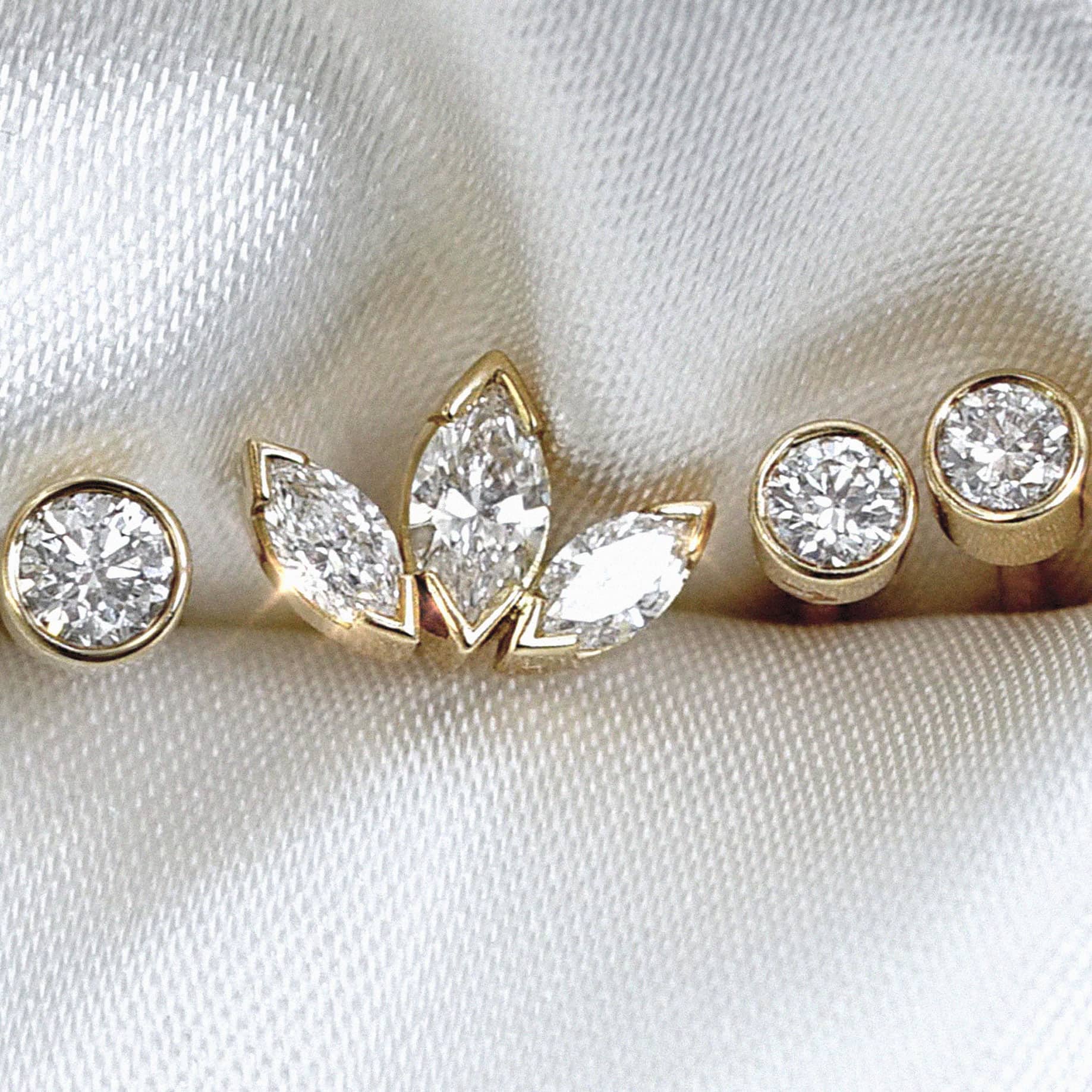
A high Mohs number does not automatically mean a gemstone is carefree. Some stones resist scratches well but still need protection from impact or poor setting design.
Emerald has good hardness, usually around 7.5 to 8, but emeralds often contain natural inclusions. Those internal features can make the stone more vulnerable to cracking under impact. That is why emerald rings need thoughtful settings and careful wear.
Topaz is hard, but it has cleavage, meaning it can split along certain internal planes if hit at the wrong angle. It may look durable on a chart, but it still needs protection in real jewellery.
Tourmaline is a useful middle-ground stone, usually around 7 to 7.5 on the Mohs scale. It suits pendants and earrings particularly well because they face fewer knocks than rings, while exposed edges still need sensible care.
Diamond is the hardest natural gemstone, but even diamond is not indestructible. It resists scratches extremely well, which is why it performs so well in everyday jewellery. But sharp edges and exposed points can still chip if the stone is poorly set or struck with force.
Setting style matters. A well-made bezel, low-profile setting or carefully protected claw setting can make a meaningful difference to how safely a stone can be worn.

Best Gemstones for Everyday Fine Jewellery
For jewellery you expect to wear often — especially rings, studs, bracelets and pieces touched throughout the day — the strongest practical choices are usually diamond, sapphire and ruby.
Diamond
Mohs hardness 10. Excellent scratch resistance and one of the most reliable stones for everyday fine jewellery when properly set.
Sapphire
Mohs hardness 9. Strong, stable and suitable for rings and daily jewellery. Blue sapphire is the classic, but sapphires also come in many colours.
Ruby
Mohs hardness 9. From the same mineral family as sapphire, ruby is a strong gemstone for jewellery designed to last.
These stones are not used in fine jewellery because of tradition alone. They are used because they cope with real wear better than many beautiful but more fragile alternatives.

Related Reading
Solid Gold Jewellery in the UK
Durable gemstones need the right metal around them. Learn what solid gold means, how it differs from plating, and why 18k gold matters in fine jewellery.

Gemstones That Are Beautiful but More Delicate
Delicate gemstones are not wrong. They simply need to be used honestly. A pearl ring worn daily will not behave like a diamond ring. An opal worn through handwashing, heat changes and hard knocks will not behave like sapphire.
Pearl
Soft, organic and easily scratched. Better for earrings, necklaces and careful wear than heavy-use rings.
Opal
Beautiful but sensitive to dryness, moisture changes and impact. Best for occasional jewellery or protected pieces.
Turquoise
Porous and vulnerable to oils, perfume and chemicals. It can change colour or surface character over time.
Emerald
Hard enough to resist many scratches, but often included and more vulnerable to cracking than sapphire or diamond.
The important point is not to avoid every delicate stone. It is to match the stone to the right piece. Some gemstones are better for earrings than rings. Some need a protective setting. Some should not be sold as carefree daily-wear stones.
Why Setting and Construction Matter
A gemstone does not exist on its own. In jewellery, it is held, protected and exposed by the design around it.
A high-set ring with exposed edges is more vulnerable than a lower, more protective design. A stone used in a ring faces more impact than the same stone used in a pendant. Earrings usually have a gentler life than engagement rings. Bracelets can be especially exposed because they hit tables, handles and hard surfaces throughout the day.
At Lena Cohen Jewellery, this is why we look at the stone and the setting together. A gemstone may be beautiful on its own, but in fine jewellery it has to work with the metal, the setting height, the wearer’s habits and the way the piece will be used.
Related Reading
Bespoke or Made-to-Order Ring in London: What Is the Difference?
If you are choosing a stone for a ring, the making route matters too. This guide explains what can be changed, how long it takes, and what “bespoke” actually means.

Everyday Fine Jewellery: What to Choose in Real Life
For jewellery you expect to wear often, the safest route is simple: choose strong stones, solid gold, and settings designed for the way the piece will actually be worn.
For a daily ring, diamond, sapphire or ruby will usually be more practical than opal, pearl, turquoise or emerald. For earrings and pendants, there is more flexibility because the stones face less impact. For bracelets, durability matters again because the piece is constantly exposed to hard surfaces.
That does not mean every piece must be a diamond. It means the design, stone and expectation should match. A delicate stone can be wonderful in the right piece. The problem starts when fragile materials are sold as if they were effortless everyday jewellery.
Real Jewellery Examples
How Stone and Jewellery Type Work Together
These four Lena Cohen pieces show the same durability principle in practice: harder stones suit frequent wear, while more vulnerable gemstones often make better sense in earrings or pendants where repeated impact is lower.
-
ALL JEWELLERY
Watermelon Tourmaline Necklace 18K Gold
£2,850 Select options This product has multiple variants. The options may be chosen on the product page -
 ALL JEWELLERY
Diamond Helix Crescent Stud 18K Gold
Price range: £490 through £720 Select options This product has multiple variants. The options may be chosen on the product page -

 ALL JEWELLERY
Solo Pearl Flat-Back Stud 18K Gold
Price range: £190 through £355 Select options This product has multiple variants. The options may be chosen on the product page -


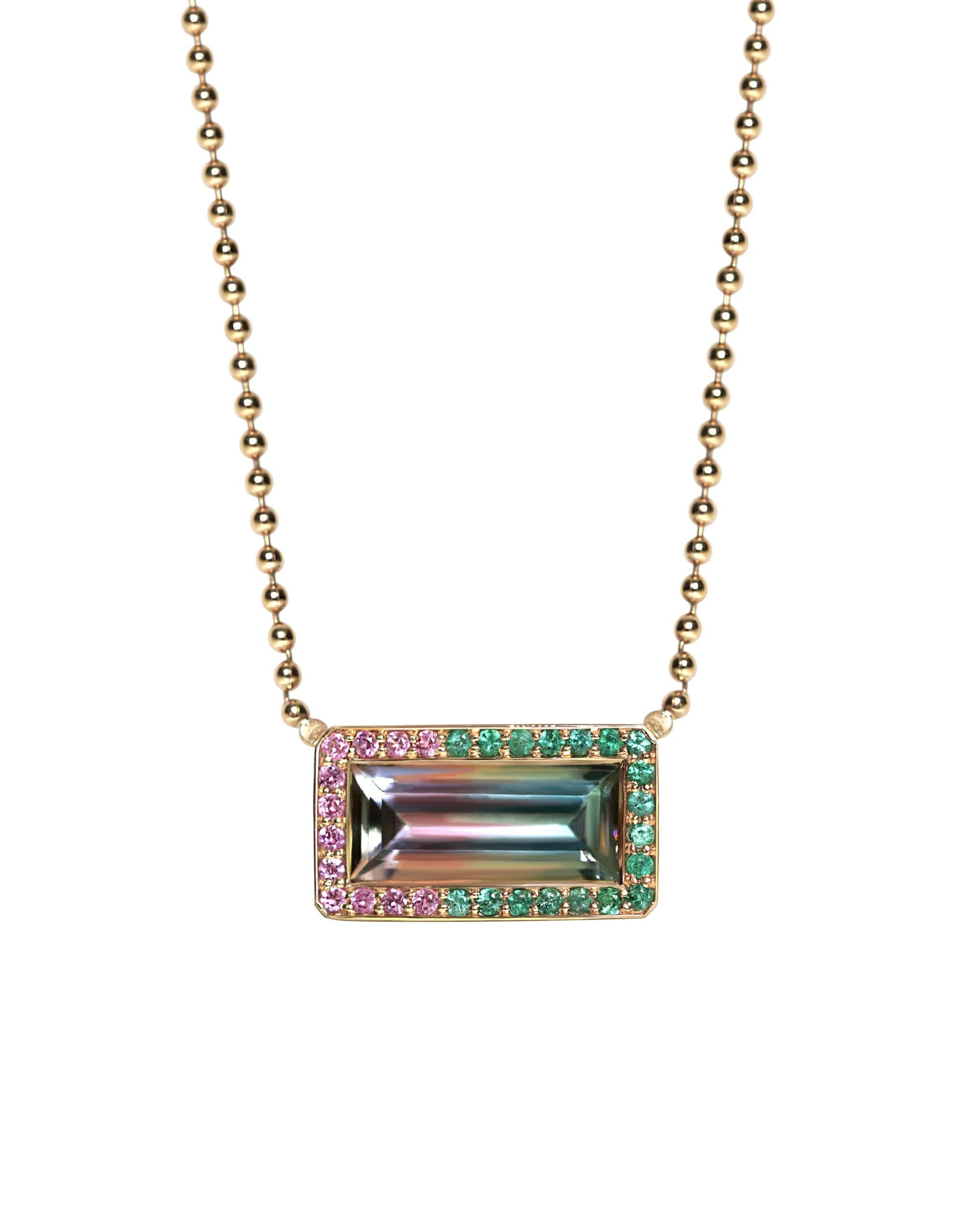

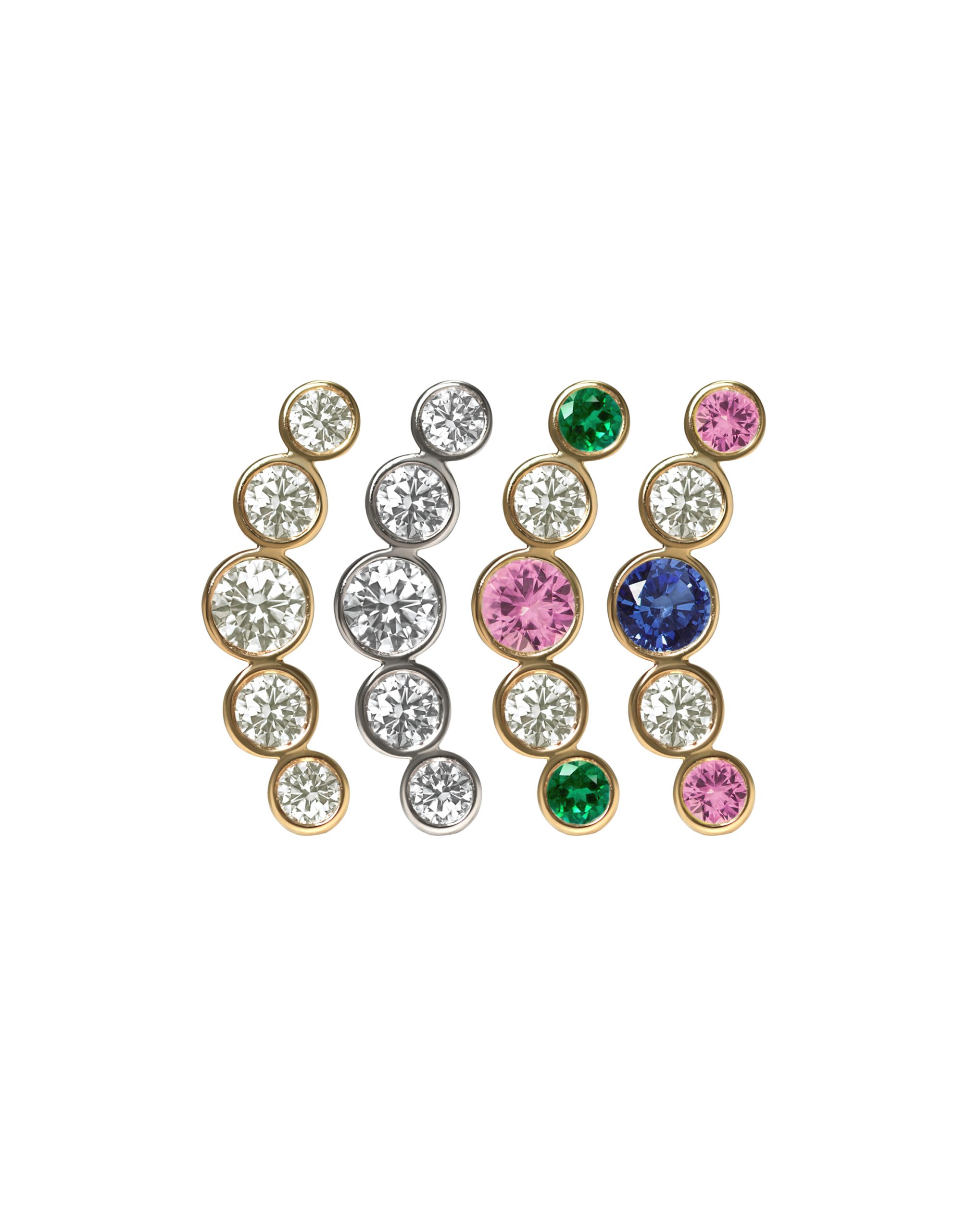
The watermelon tourmaline and octagonal emerald necklaces place more vulnerable stones in pendants, away from the repeated knocks faced by rings. The pearl stud uses a soft organic gem in the ear, where impact is lower but water, perfume and cosmetics still matter. The crescent stud is available with diamond or coloured gemstone combinations, showing how the stone choice changes the care required within the same type of ear jewellery.
From the Bench
In handmade fine jewellery, durability is not a single number on a chart. It is the relationship between the gemstone, the metal, the setting and the person wearing it. A good piece should be beautiful, but it should also make sense for real life.
The Takeaway
The Mohs hardness scale is useful, but it is not enough on its own. For fine jewellery, the better question is whether a stone can resist scratches, survive impact, remain stable and still look good after years of wear.
Diamonds, sapphires and rubies remain central to everyday fine jewellery because they offer the best practical balance of beauty, hardness, toughness and stability.

Softer or more fragile gemstones can still be valuable and beautiful, but they should be chosen with care, placed in appropriate settings and worn with realistic expectations.
Good jewellery is not only about sparkle. It is about material knowledge, construction and knowing what a piece is truly made to withstand.
Lena Cohen Jewellery
Our jewellery is made in solid gold with carefully selected gemstones, with attention to how each piece will be worn in real life — not only how it looks when new.