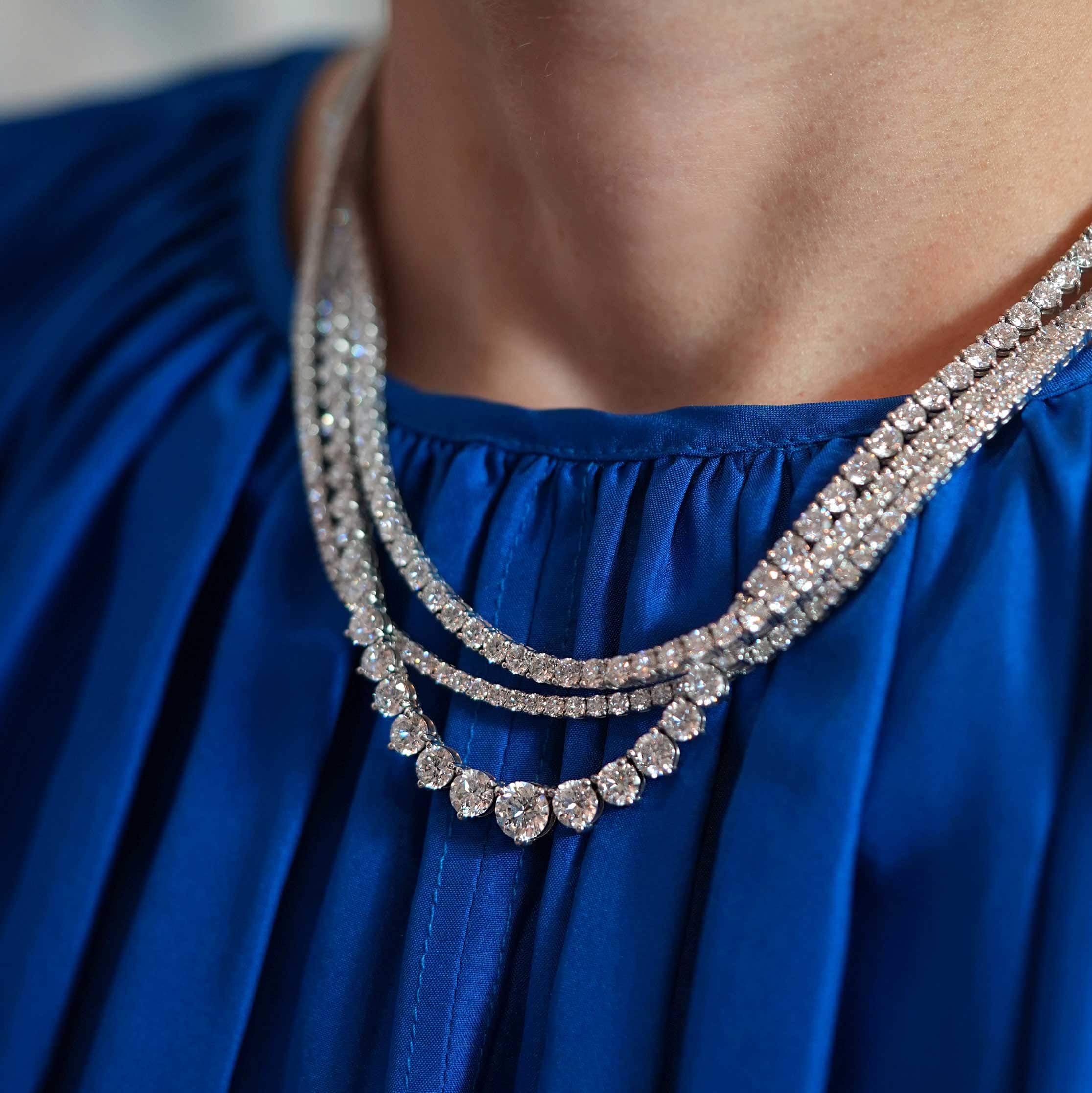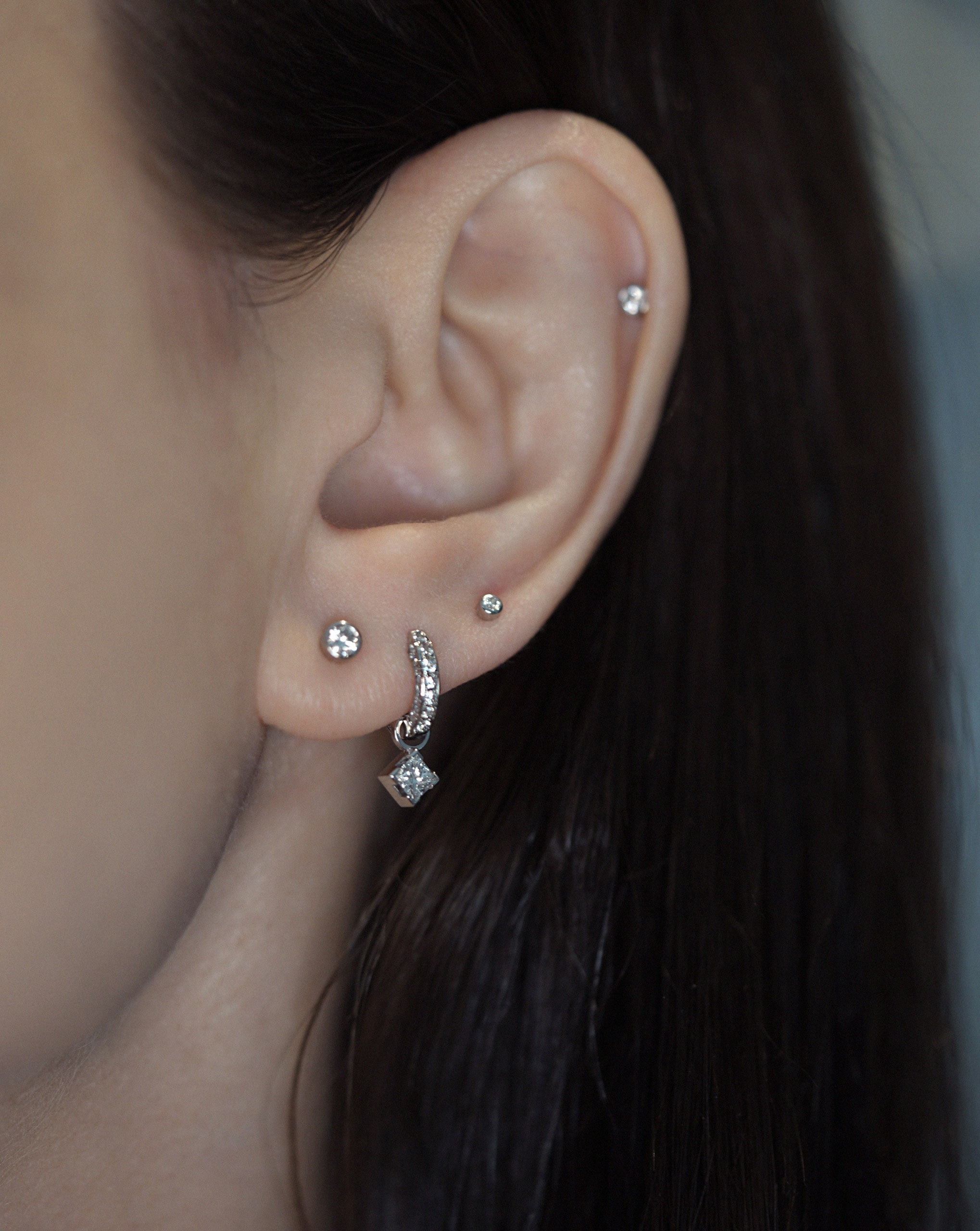
If you are a personal assistant, executive assistant, family office or private office commissioning bespoke jewellery for a client, you do not need to arrive with a finished design. A useful first brief can be as simple as the type of piece, budget range, occasion, preferred stones or metal, reference images, required date and how involved the client wishes to be. A good jeweller should be able to turn that information into clear options, realistic specifications and a manageable process through one responsible point of contact.
What should a PA send when commissioning jewellery for a private client?
Start with what you already know:
piece · occasion · budget · metal · stones · style · required date · level of client involvement.
The jeweller should then advise what is feasible, narrow the choices, source suitable stones where required and confirm price, specification and timing before production.

Finding the right jeweller is different from simply finding an expensive piece
For a PA or family office, the challenge is often to find a jeweller who can understand a partial brief, respect the client’s time, communicate clearly and make important decisions recoverable later.
The representative should not have to become a diamond buyer, designer and production manager in order to commission the piece.
A strong supplier should be able to take the information available, identify what is still missing and return with a small number of sensible options rather than another long list of decisions for the principal.
You do not need a finished jewellery design before making an enquiry
Sometimes the client knows exactly what they want. Just as often, the instruction is closer to: “important anniversary gift, yellow gold, understated, natural diamonds, required in six weeks”.
That is already enough to begin a useful conversation.
What should a PA ask a jeweller before involving the client?
For an ordinary retail purchase, the product may answer most of the questions. For a private commission, the supplier and process matter just as much.
Who will manage the commission?
Establish whether one person remains responsible for the project or whether the enquiry will move between separate sales, sourcing and production teams.
Where will the jewellery be made?
Ask where production takes place and whether specialist work is handled through known workshops or sent elsewhere without a clear chain of responsibility.
Can the jeweller work through a representative?
The client should not need to join every sourcing discussion, email or production update unless they want to.
How are stones and specifications documented?
For significant diamonds or gemstones, ask what measurements, grades, reports and approvals will be confirmed before production.
What is the realistic timeline?
Stone sourcing, design development, setting, hallmarking and final checking can all affect timing. The answer should reflect the actual commission.
How will the finished piece be delivered?
High-value jewellery should have clear collection, insured courier and documentation arrangements before dispatch.
A private-client commission can begin with a stone, an occasion or a budget
These examples show how very different briefs can be turned into a workable jewellery project. Identifying details are deliberately omitted.
Reimagining an important family diamond
A client may already own a significant diamond or gemstone from an older or inherited piece but no longer want to wear the original setting.
The first step is to understand the existing stone and how the client wants the new piece to feel. A PA can coordinate access to the jewellery, timing and early design directions before the principal is asked to approve a meaningful choice.

Marking an important occasion without a fixed design
A significant birthday, anniversary, wedding or family milestone may be the entire starting point.
The jeweller can use the recipient’s existing jewellery, preferred metal, style and budget to propose two or three relevant directions instead of asking the representative to invent the finished piece.

Finding the right gift within a working budget
Sometimes the brief is practical: an important jewellery gift, a defined budget and a few useful preferences.
The answer might be diamond earrings, a pendant, bracelet or a completely new design.
Stone size and quality can be developed around the budget rather than forcing the brief into an existing product.

The aim is not to send a representative twenty products to review. It is to reduce the brief to a small number of sensible choices with clear specifications, prices and timing.
The client does not need to manage every stage personally
A PA, family office, private office or adviser can remain the main point of contact for the initial brief, budget, stone sourcing, timing, documentation, production updates and delivery arrangements.
The client can then be involved only where their personal judgement is useful: approving an important centre stone, confirming ring sizing or choosing between clearly developed design options.
The level of involvement should be agreed at the beginning rather than imposed by the supplier’s process.

Important jewellery decisions should be understandable in writing
Depending on the piece, a proposal may need to confirm the metal, natural diamond or gemstone specification, carat weight, measurements, relevant certification, setting, dimensions, chain length, clasp, production time, price and delivery arrangements.
Not every commission needs a long technical document. But a representative should be able to return to the file later and understand what was agreed.
“Excellent diamond”, “premium quality” or “luxury setting” are descriptions. They are not specifications.
Red flags when choosing a jeweller for a private client
Unclear production
The supplier cannot explain where the jewellery is made or who is responsible for specialist work.
No clear stone specification
Significant diamonds or gemstones are described only with marketing language rather than measurable details.
Constantly changing timing
Genuine sourcing delays can happen. Repeatedly changing promises without explanation are different.
No responsible contact
Every question moves to a different department and nobody clearly owns the commission.
Everything becomes a catalogue product
A bespoke request is repeatedly pushed towards the nearest existing design regardless of the brief.
Key decisions stay verbal
Major specifications, approvals, price or timing cannot later be recovered from written correspondence.
For a client who can buy almost anything, relevance matters more than simply spending more
A bespoke piece can be valuable because of the diamond or gemstone, but it can also be meaningful because it connects to a date, birthstone, family stone, particular proportion, engraving or another piece of jewellery the recipient already wears.
Personalisation does not need to be visible to everybody. Often the most successful detail is understood only by the person receiving the piece.

A simple private-client jewellery brief
The following is enough to begin most conversations. Unknown information can stay unknown.
Client / representative:
Type of jewellery:
Occasion:
Approximate budget or range:
Preferred metal:
Preferred diamonds or gemstones:
Style or reference images:
Anything the client dislikes:
Required date:
Client involvement: minimal / selected approvals / direct consultation
Delivery location:
Privacy or communication requirements:
If several fields are blank, that is not a problem. Part of the jeweller’s role is to help define the commission.
Working with Lena Cohen Jewellery on behalf of a private client
Bespoke jewellery has been part of our family’s work for many years. Today we work directly with private clients and with personal assistants, family offices, private offices and advisers acting on their behalf.
A commission can begin with a simple brief. We can advise on feasibility, design direction, natural diamond or gemstone sourcing, specifications, documentation, production and timing.
Our jewellery production remains in the UK, with specialist work handled through established UK goldsmiths, setters and jewellery specialists. Relevant GIA documentation can be supplied for qualifying diamonds, and jewellery is UK hallmarked where required.
For representatives, the aim is straightforward: clear options, clear answers and one direct point of contact without requiring the client to manage every stage personally.
For general commissions, visit our
Bespoke Jewellery London
service.