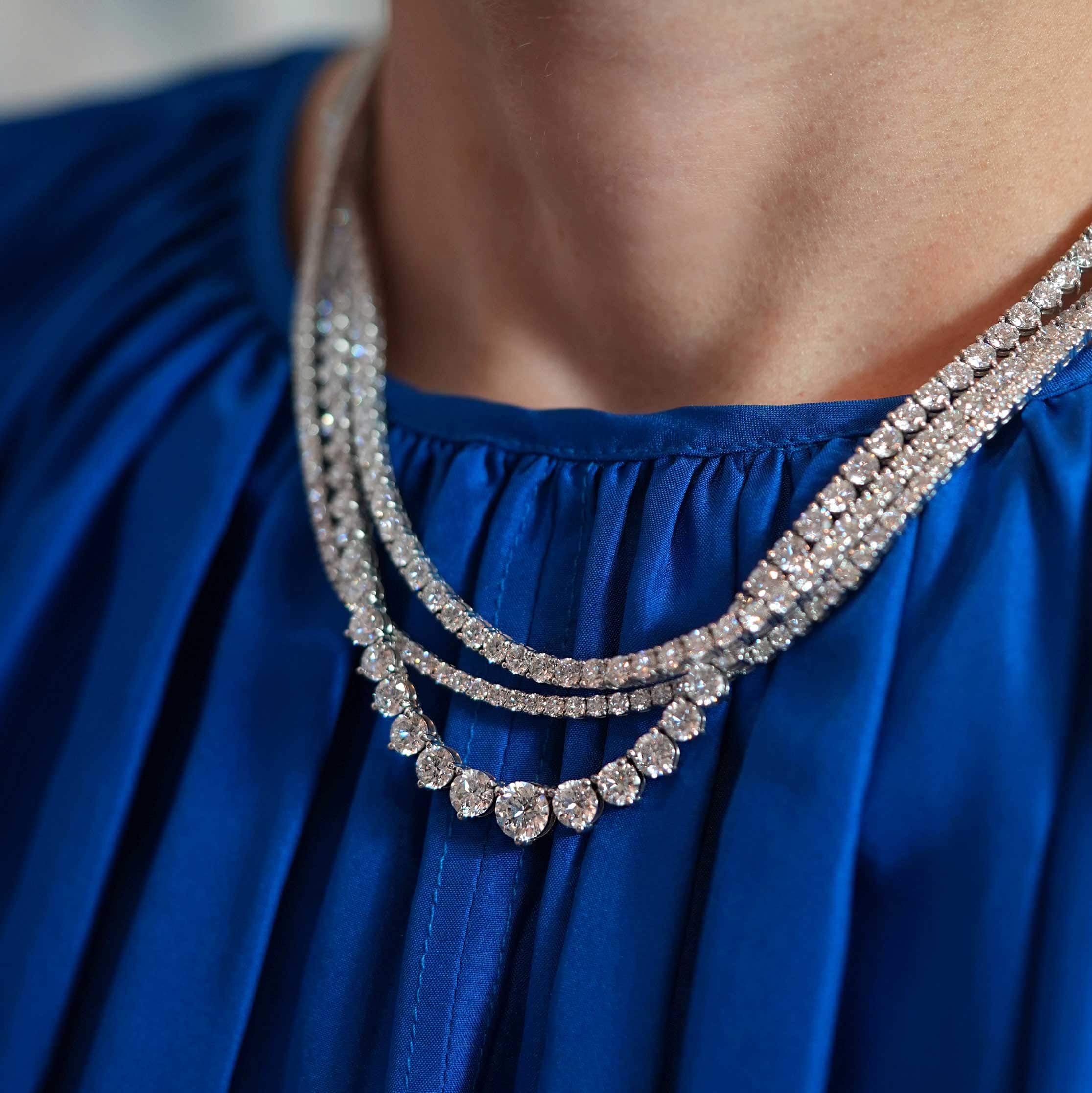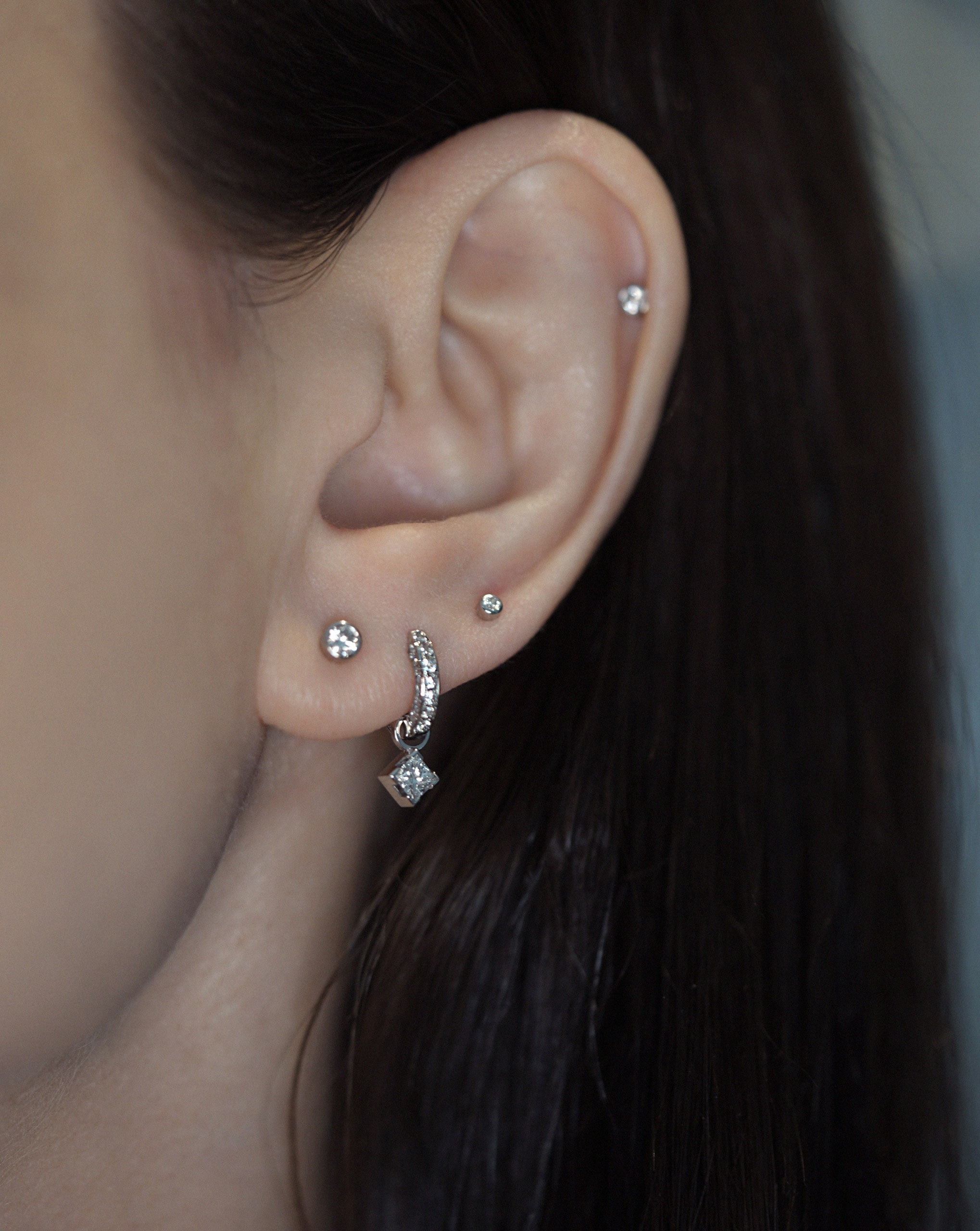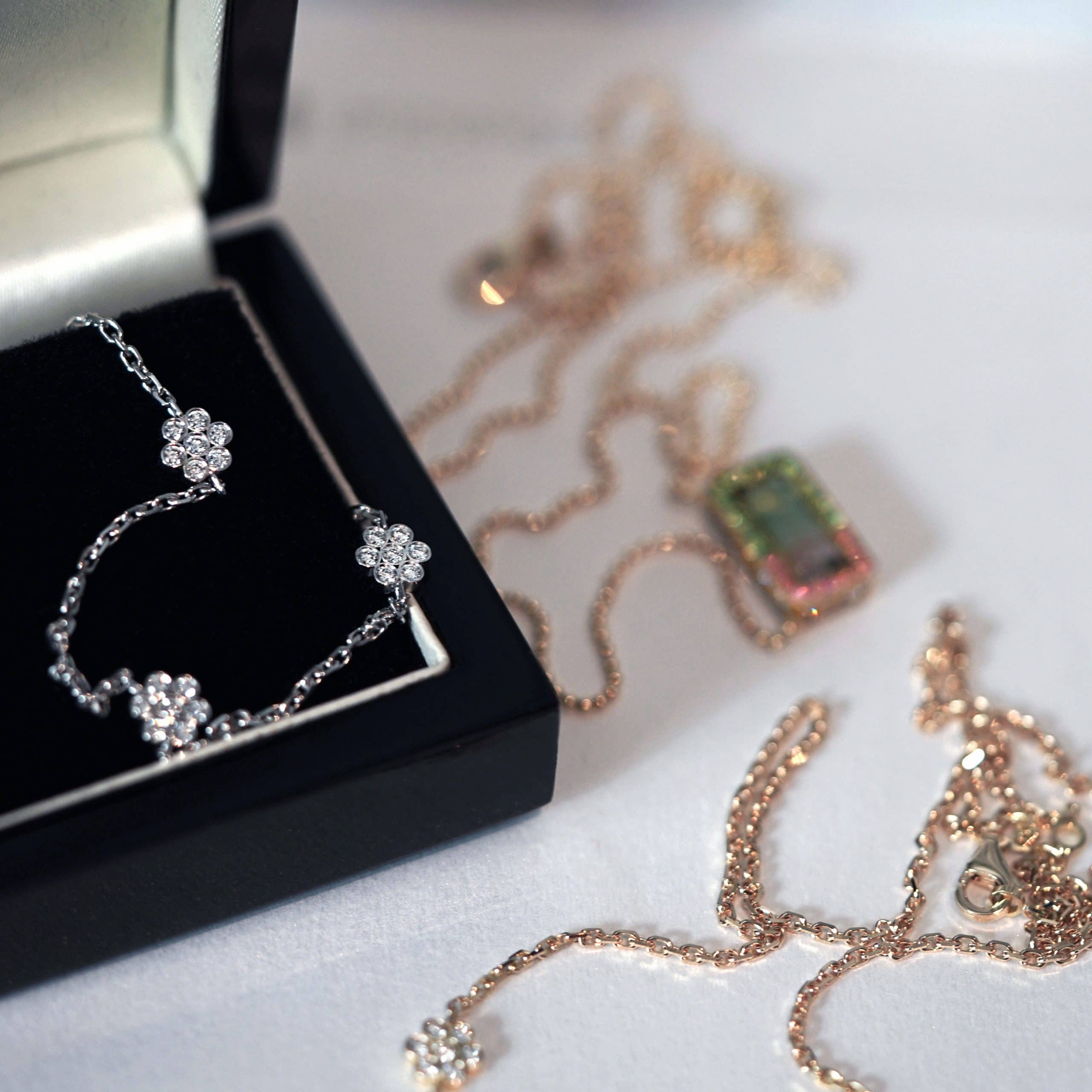

Fast trends come and go. Slow jewellery starts with a more useful question: will this piece still make sense after years of wear? The answer depends less on campaign language than on materials, construction, repairability and whether the people selling the jewellery can support it after the sale.
Quick Answer
What Are You Really Paying For?
Handmade jewellery is not automatically better than factory jewellery, and factory-made jewellery is not automatically poor. What matters is what you can verify: the metal, stones, construction, finishing, quality control, repair options and who takes responsibility if the piece needs attention later. Maker-led jewellery often costs more because skilled bench work, small-scale production and direct aftercare are built into the piece.
What Does “Slow Jewellery” Actually Mean?
Slow jewellery is not a regulated certification. It is a way of buying and making: fewer pieces, clearer materials, thoughtful production, useful design and a realistic route to care or repair. It can include small-batch and made-to-order jewellery, pieces made by independent workshops, restored vintage jewellery and well-made items intended to stay in use rather than be replaced after one season.
For jewellery worn frequently, solid gold or platinum can make practical sense because the metal is not simply a coloured surface over another base. Solid-gold jewellery can still scratch and need maintenance, but it can usually be polished, repaired and kept in service far longer than a thin plated finish.
A longer useful life may reduce repeated replacement, but no material or production method is automatically “green”. Environmental impact also depends on sourcing, manufacture, transport, packaging, repair and how long the jewellery is actually worn. Any environmental claim should be specific and supported, not treated as a mood word.

Handmade vs Factory Jewellery: The Useful Difference
The comparison should not be “good handmade” against “bad factory”. A well-run factory can produce consistent, well-finished jewellery, while a handmade label alone proves very little. The more useful difference is how close the design, making, quality control and aftercare remain to the people responsible for the finished piece.
Maker-Led Jewellery
Often offers closer control over proportions, setting, finishing and fit. Adjustments may be easier to discuss, and the same workshop or small team may remain available for servicing, resizing or repair.
Factory-Produced Jewellery
Can offer consistency, availability and efficient pricing at scale. Quality depends on the specification, materials, inspection and the retailer’s knowledge; customisation and direct aftercare may be more limited.
Do not buy the production label alone. Ask what the piece is made from, where it is made, who controls the specification, whether the product photographs match the item supplied and what happens if a clasp, setting or fit needs attention later.
Related Reading
Which Brands Are Genuinely Close to the Making?
Our guide to independent fine jewellery brands that actually make their pieces explains the craft signals worth checking, from material language and workshop control to repair and aftercare.
What the Price of Maker-Led Jewellery Can Include
The price is not simply a fee for the word handmade. A credible maker should be able to explain what sits behind it.
- Materials: the quantity and fineness of the gold or platinum, plus clearly described diamonds or gemstones.
- Bench work: forming, casting where used, assembly, stone setting, polishing and final inspection.
- Engineering: post thickness, clasp security, setting protection, balance, comfort and sensible proportions.
- Small-scale production: fewer identical units and more time spent adapting or finishing individual pieces.
- Support after purchase: cleaning advice, stone checks, repair, resizing or direct help from people who know how the piece was made.

Demi-Fine vs Fine Jewellery
What Is “Demi-Fine” Jewellery?
Demi-fine is a retail term rather than one precise material standard. It commonly describes sterling silver or another base metal finished with a layer of gold, sometimes combined with small diamonds or gemstones. The exact metal beneath the surface and the type of plating should always be stated.
Is Demi-Fine Worth It for Everyday Wear?
It can be a reasonable choice for occasional wear, trend-led designs or a lower initial budget. For jewellery worn constantly, friction, skin, cosmetics and cleaning gradually affect a plated surface. Re-plating may restore the colour, but it adds maintenance, cost and time without the piece.
What Does “Vermeil” Mean in the UK?
Vermeil is commonly used for gold-plated sterling silver. The description should make both facts clear: the underlying item is silver and the gold is a plated surface. It is not the same material as solid gold throughout.
Does Solid Gold Need Maintenance?
Yes. Solid gold can scratch, settings should be checked and jewellery still needs sensible cleaning. Solid yellow gold does not have an outer gold-coloured layer that wears through to a different base metal. Some white-gold jewellery is rhodium plated, however, so its bright white surface may need renewing over time.
If you are choosing between different solid-gold standards rather than between solid and plated jewellery, read our practical comparison: Should I buy 9ct or 18ct gold?
Hallmarks, Disclosure and Shopping with Confidence
Does Every Gold Item Need a Hallmark?
In the UK, a gold article below the 1.0g exemption weight is not required to carry a physical hallmark. Items at or above the legal threshold generally need hallmarking when they are described and sold as gold, subject to the applicable exemptions. Underweight jewellery should still be described clearly and accurately, including its metal fineness.
Hallmarking confirms precious-metal fineness; it does not by itself prove that a piece was handmade or made in London. For the official thresholds, see the UK hallmarking guidance. Online sellers should also make the approved Dealer’s Notice or equivalent explanatory hallmark information easy to find.
Is “Ethically Made” Enough Information?
No. Stone identity and ethical sourcing are different questions. A seller should state whether a stone is natural, lab-grown, synthetic, treated or imitation where relevant, but the word natural does not prove an ethical supply chain. Ask what the brand can explain about suppliers, country of origin where known, treatments, production, repair and the evidence behind any environmental claim.
Related Reading
Made in London, Hallmarked and Solid Gold Are Different Claims
Our guide to how to read fine jewellery claims explains what each phrase tells you, what it does not tell you and which details can be independently checked.

Does Fine Jewellery Retain Value?
Gold and platinum have recoverable material value, and significant natural gemstones may also have a secondary market. That does not mean a finished piece is guaranteed to retain its retail price. Resale depends on metal weight, stone quality, condition, design, provenance, brand demand and the route through which it is sold.
Craftsmanship, repairability and provenance can strengthen the long-term meaning and usefulness of jewellery, but they should not be presented as a promised financial return. Buy fine jewellery primarily because it is well made and will be worn. Treat any future resale value as uncertain rather than guaranteed.
Lena Cohen Jewellery is also listed by Heritage Crafts, reflecting the brand’s connection to skilled jewellery making rather than a promise about investment performance.

Buyer’s Checklist: Spend on the Piece, Not the Hype
- Confirm whether the piece is solid gold, platinum, silver, plated or vermeil, and check the exact fineness.
- Look for clear stone identity: natural, lab-grown, synthetic, treated or imitation where relevant.
- Check UK hallmark information for pieces above the applicable legal threshold.
- Assess practical construction: post thickness, clasp security, setting protection, balance and comfort.
- Ask whether the jewellery can be cleaned, repaired, resized or serviced and who will handle that work.
- Choose a gemstone that suits the type of jewellery and the way you expect to wear it. Our gemstone durability guide explains hardness, toughness and stability.
- Prefer a design you can imagine wearing repeatedly, not only one that looks persuasive in a campaign photograph.
Next Step
Build a Collection Around What You Will Actually Wear
Once you understand the materials and making, the next decision is what to buy first. Read how to start building a fine jewellery collection around useful chains, studs, rings, bracelets and one meaningful diamond or gemstone piece.

Frequently Asked Questions
Is handmade jewellery always better than factory-made jewellery?
Is demi-fine jewellery worth it if I want a long-term piece?
What is the practical difference between vermeil and solid gold?
Do artisan brands hallmark every gold item?
Is fine jewellery a guaranteed investment?
How should I care for fine jewellery?
Lena Cohen Jewellery
Lena Cohen Jewellery is a family-run London fine jewellery brand working in solid 18k gold with natural diamonds and gemstones. Our approach is small-scale, maker-led and focused on pieces that make sense in real wear, with direct guidance before purchase and practical support afterwards.